
 By Marcus Ellison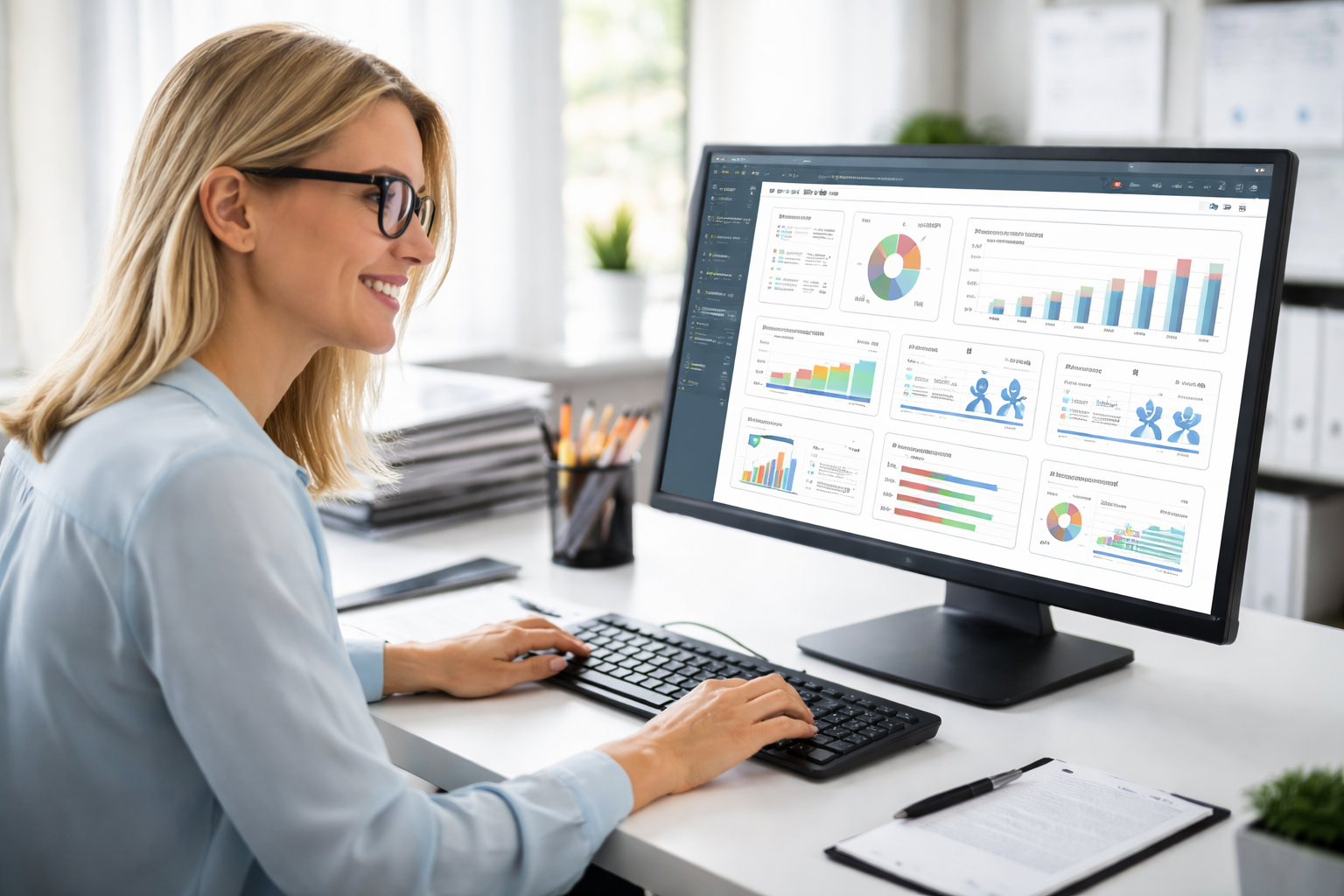
In the modern digital economy, organizations generate massive amounts of information every day. From customer interactions and operational workflows to marketing campaigns and financial transactions, businesses are constantly collecting data. However, raw data alone has little value unless it is transformed into meaningful insights. This is where reporting and insights within data analytics play a crucial role.
Reporting & insights form a critical component of the broader framework of data, analytics & reporting, enabling organizations to transform raw datasets into clear, actionable intelligence. By combining advanced analytics, structured reporting, and data visualization, companies can make faster decisions, improve efficiency, and uncover opportunities that might otherwise remain hidden.
This article explores how reporting and insights work, the technologies that power them, and how organizations can build effective reporting strategies in a data-driven world.
Reporting and insights refer to the processes that convert analyzed data into understandable formats that support decision-making.
While analytics focuses on processing and interpreting data, reporting focuses on presenting the results in a clear and structured format. Together, they help organizations understand performance, detect patterns, and anticipate trends.
Reporting involves organizing data into structured formats such as:
- Dashboards
- Visual charts
- Performance reports
- Automated summaries
- KPI monitoring reports
These reports provide a clear overview of what is happening within an organization.
Insights go a step further. Instead of simply presenting information, insights explain why something happened and what actions should follow.
For example:
- Reporting: Website traffic dropped by 25% last week.
- Insight: Traffic dropped because a major referral source stopped linking to the website.
The difference between reporting and insights is the difference between information and understanding.
Modern businesses rely heavily on reporting to monitor operations and guide strategic decisions. Without consistent reporting, leaders would struggle to evaluate performance or detect emerging risks.
Reporting allows companies to track performance metrics in real time or through scheduled reports. These metrics may include:
- Sales growth
- Customer acquisition rates
- Marketing campaign performance
- Operational efficiency
- Financial performance
Regular reporting helps organizations stay aligned with business objectives.
Structured reports provide visibility across departments. When teams have access to shared reports, accountability increases because everyone can see performance metrics and results.
For example, marketing teams may review campaign reports, while HR teams analyze recruitment metrics and workforce performance.
Many industries require reporting for regulatory compliance. Financial institutions, healthcare providers, and public companies must maintain accurate reporting for auditing and governance purposes.
Organizations typically use multiple types of reporting depending on the level of analysis required.
Descriptive reporting summarizes historical data to explain what has happened in the past.
Examples include:
- Monthly sales reports
- Website traffic summaries
- Customer service performance reports
This type of reporting provides a foundation for further analysis.
Diagnostic reporting examines data to understand why an event occurred.
This often involves deeper analysis, such as:
- Comparing time periods
- Analyzing correlations
- Identifying anomalies in data patterns
Diagnostic reports help organizations uncover root causes behind performance changes.
Predictive reporting uses statistical models and machine learning algorithms to forecast future outcomes.
Examples include:
- Sales forecasting
- Customer churn prediction
- Demand forecasting
- Workforce planning projections
Predictive insights help companies prepare for future scenarios.
Prescriptive reporting goes one step further by recommending actions based on predictive insights.
For example:
- Recommending pricing adjustments
- Suggesting inventory restocking
- Optimizing marketing campaigns
This advanced level of reporting often relies on artificial intelligence and automation.
Modern reporting and insights platforms rely on several advanced technologies that enable organizations to process large volumes of data quickly and efficiently.
Business intelligence (BI) tools are the backbone of modern reporting systems. These platforms collect data from multiple sources and present it through dashboards and visualizations. Leading analytics platforms such as Tableau help organizations transform complex datasets into interactive dashboards that make reporting and insights easier to interpret for decision-makers.
Common BI capabilities include:
- Interactive dashboards
- Custom report generation
- Real-time monitoring
- Data visualization tools
BI platforms allow decision-makers to explore data without requiring deep technical expertise.
Before data can be analyzed or reported, it must be stored in structured systems. Data visualization tools help transform complex datasets into clear charts, graphs, and dashboards that decision-makers can quickly understand.
Modern organizations increasingly rely on real-time dashboards for data analytics and reporting to monitor performance metrics, track operational activities, and gain instant insights that support faster and more informed business decisions.
Data warehouses and data lakes serve as centralized repositories that store large datasets from multiple sources such as:
- CRM systems
- ERP platforms
- marketing tools
- customer support platforms
- operational databases
These systems enable organizations to consolidate and analyze enterprise data efficiently.
Visualization tools help transform complex datasets into easy-to-understand charts, graphs, and dashboards.
Popular visualization methods include:
- Heatmaps
- Line charts
- Bar charts
- Interactive dashboards
- Geographic data maps
Visual reporting makes it easier for stakeholders to identify patterns and trends quickly.
Automation has transformed reporting workflows. Instead of manually compiling reports, organizations now use automated reporting systems that generate reports on scheduled intervals.
Benefits include:
- Faster report generation
- Reduced human error
- Consistent reporting standards
- Real-time monitoring capabilities
Automation ensures that stakeholders always have access to up-to-date information.
One of the greatest benefits of effective reporting and insights is improved decision-making.
Organizations that rely on data-driven insights are more likely to outperform competitors because they base decisions on evidence rather than assumptions.
Real-time dashboards allow executives to monitor key performance indicators and respond quickly to changes.
For example:
- Identifying declining sales early
- Detecting operational bottlenecks
- Monitoring customer engagement trends
Immediate access to insights accelerates strategic planning.
Reporting tools help organizations identify inefficiencies in workflows or processes.
For instance, operational reports may reveal:
- Production delays
- Supply chain disruptions
- Customer service response times
Once identified, these issues can be addressed to improve efficiency.
Customer data analytics allows businesses to analyze behavior patterns and preferences.
Reporting insights can reveal:
- Which products customers prefer
- When customers are most likely to purchase
- What factors influence customer loyalty
These insights allow organizations to tailor marketing strategies and improve customer experiences.
To maximize the value of reporting systems, organizations should follow several best practices.
Reports should focus on metrics that align with business objectives.
Instead of tracking every possible metric, organizations should define KPIs that truly matter, such as:
- revenue growth
- conversion rates
- customer retention
- operational efficiency
Clear KPIs ensure reports remain relevant and actionable.
Static reports can limit exploration. Interactive dashboards allow users to drill down into data and explore trends in greater detail.
This improves understanding and encourages data-driven decision-making across teams.
Poor data quality leads to inaccurate insights. Organizations should implement strong data governance practices, including:
- data validation processes
- consistent data definitions
- standardized reporting structures
High-quality data ensures reliable reporting outcomes.
Reporting systems are only effective if employees understand how to interpret the data.
Organizations should invest in data literacy training to help teams read reports, interpret dashboards, and apply insights effectively.
The field of reporting and insights continues to evolve rapidly as new technologies emerge.
Several trends are shaping the future of analytics reporting.
Artificial intelligence is transforming how insights are generated. AI-powered systems can automatically detect patterns, anomalies, and correlations within datasets.
These systems can even generate narrative insights that explain key findings in natural language.
Traditional reporting relied on historical data, often updated weekly or monthly. Today, real-time analytics platforms allow businesses to monitor live data streams.
Real-time reporting is particularly valuable in industries such as:
- finance
- e-commerce
- logistics
- cybersecurity
Immediate insights allow organizations to respond instantly to changing conditions.
Self-service analytics tools allow non-technical users to explore data independently.
Instead of relying solely on data analysts, business users can generate reports, create dashboards, and explore datasets on their own.
This democratization of data empowers teams across the organization.
In today’s digital landscape, reporting and insights are essential components of effective data, analytics & reporting strategies. Organizations that invest in modern reporting systems gain the ability to transform raw data into actionable intelligence.
Through structured reports, advanced analytics, and intuitive dashboards, businesses can monitor performance, understand trends, and make smarter decisions. As technologies such as artificial intelligence, automation, and real-time analytics continue to evolve, reporting systems will become even more powerful.
Ultimately, organizations that embrace strong reporting and insights practices will be better positioned to adapt, innovate, and compete in an increasingly data-driven world.