
 By Marcus Ellison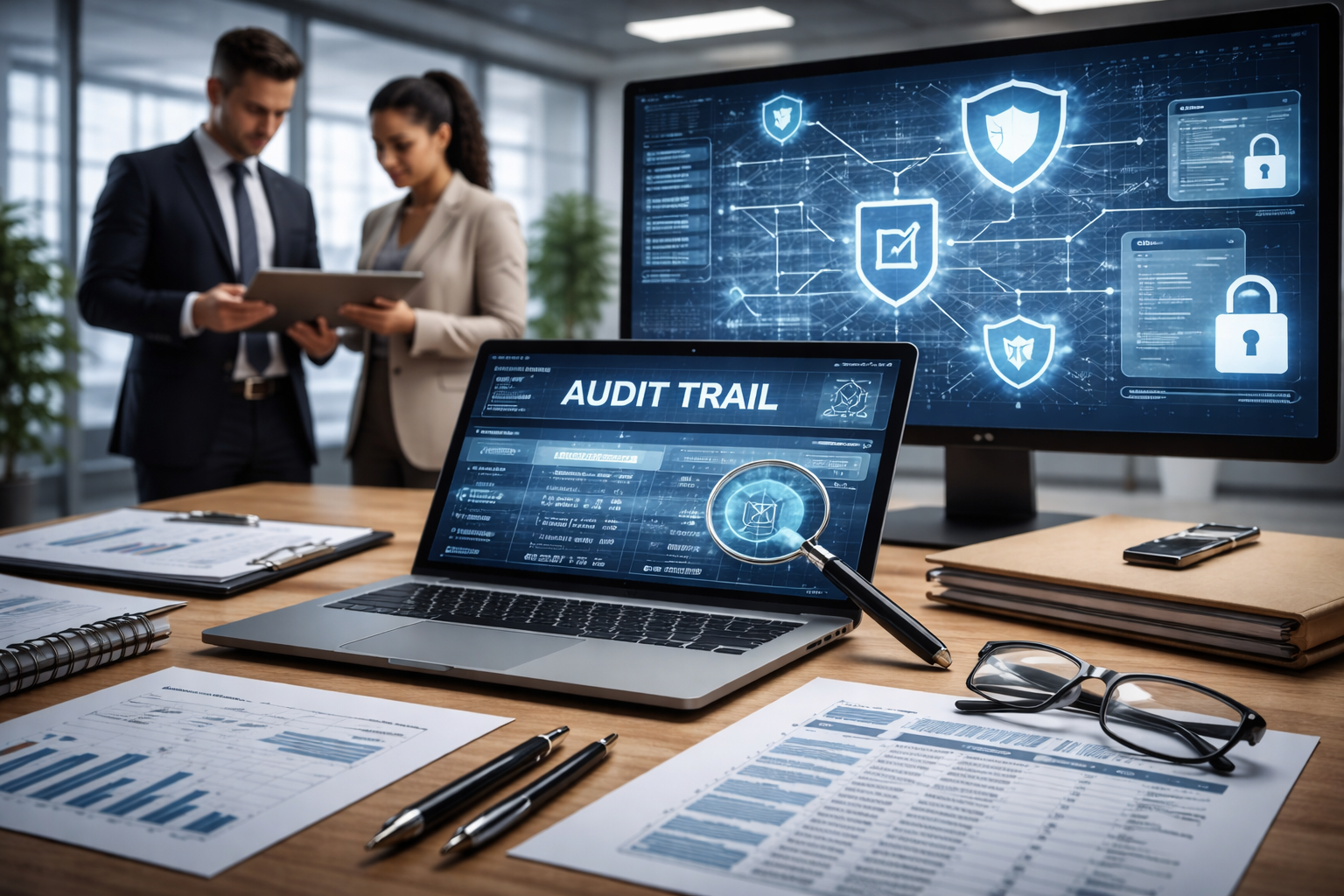
In today’s digital-first environment, organizations rely heavily on data-driven systems to manage operations, security, and compliance. As systems grow more complex, the need for audit trails and governance becomes increasingly critical. These components ensure transparency, accountability, and control across business processes, especially in industries handling sensitive data.
From cybersecurity and HR systems to finance and cloud platforms, implementing strong audit trails and governance frameworks is essential for maintaining trust, meeting regulatory requirements, and mitigating risks. This article explores the fundamentals, benefits, best practices, and future trends of audit trails and governance in modern organizations.
Audit trails are chronological records that capture system activities, user actions, and data changes. They provide a detailed log of who did what, when, and where within a system.
Governance, on the other hand, refers to the policies, processes, and controls that guide how systems and data are managed, accessed, and secured.
Together, audit trails and governance create a framework that ensures systems operate securely, transparently, and in compliance with regulations.
Audit trails provide visibility into system activities, allowing organizations to:
- Track user actions
- Monitor system behavior
- Identify anomalies
This transparency is essential for maintaining operational integrity.
Many regulations require organizations to maintain audit logs and governance controls, including:
- GDPR (General Data Protection Regulation)
- HIPAA (Health Insurance Portability and Accountability Act)
- SOX (Sarbanes-Oxley Act)
- Data Privacy Act of 2012 (Philippines)
Audit trails and governance help demonstrate compliance during audits.
Audit logs enable organizations to detect and respond to:
- Unauthorized access
- Data breaches
- Suspicious activities
Governance ensures that security policies are consistently enforced.
By recording user actions, audit trails hold individuals accountable for their activities within a system.
Capture detailed records of:
- User logins and logouts
- Data access and modifications
- System configuration changes
Every event in an audit trail should include accurate timestamps to establish a clear sequence of actions.
Logs must identify the user or system responsible for each action.
Ensure that audit logs cannot be altered or deleted without authorization.
Governance frameworks define who can access systems and audit logs.
Advanced systems analyze audit data to generate insights and detect anomalies.
Track system-level activities such as logins, configurations, and performance metrics.
Monitor actions within applications, including user interactions and data changes.
Record database queries, updates, and access events.
Focus on security-related events such as authentication attempts and access violations.
To build effective systems, organizations should follow proven audit trail best practices that ensure accurate logging, secure storage, and full compliance with regulatory requirements.
Ensure all critical activities are recorded without gaps.
Store logs in a centralized system for easier monitoring and analysis.
Limit access to audit logs and systems based on user roles.
Protect logs using:
- Encryption
- Write-once storage
- Access restrictions
Set clear guidelines for how long logs are stored based on regulatory requirements.
Review audit logs periodically to identify issues and ensure compliance.
Use tools to detect anomalies and trigger alerts in real time.
Ensure governance policies support organizational goals and compliance requirements.
SIEM systems collect and analyze log data to detect threats and generate alerts.
Cloud platforms offer built-in logging and monitoring capabilities for distributed systems.
Blockchain technology can create tamper-proof audit trails, ensuring data integrity.
AI can analyze large volumes of audit data to identify patterns and detect anomalies.
Provides guidelines for information security management systems (ISMS).
Focuses on IT governance and management practices.
Offers a structured approach to managing cybersecurity risks.
Defines best practices for IT service management and governance.
Large volumes of log data can be difficult to manage and analyze.
Inconsistent logging formats make it harder to correlate data across systems.
Unsecured logs can become targets for attackers.
Meeting multiple regulatory requirements can be challenging.
Cloud and multi-system environments can reduce visibility without proper tools.
Organizations are moving toward real-time analysis of audit data.
AI will play a larger role in automating governance and compliance processes.
Audit trails will support zero trust models by continuously verifying user actions.
Governments will continue to introduce stricter data and security regulations.
To implement a strong strategy, organizations should:
- Define clear governance policies
- Implement comprehensive logging systems
- Use advanced monitoring tools
- Train employees on compliance and security
- Continuously review and improve processes
A well-designed framework ensures long-term security, compliance, and operational efficiency.
Audit trails and governance are essential for maintaining transparency, accountability, and security in modern systems. As organizations handle increasing amounts of data and face evolving regulatory requirements, these components become critical to success.
By implementing robust audit logging, enforcing governance policies, and leveraging advanced technologies, businesses can build secure, compliant, and trustworthy systems.
Ultimately, audit trails and governance are not just technical requirements—they are strategic enablers of trust, resilience, and sustainable growth.