
 By Marcus Ellison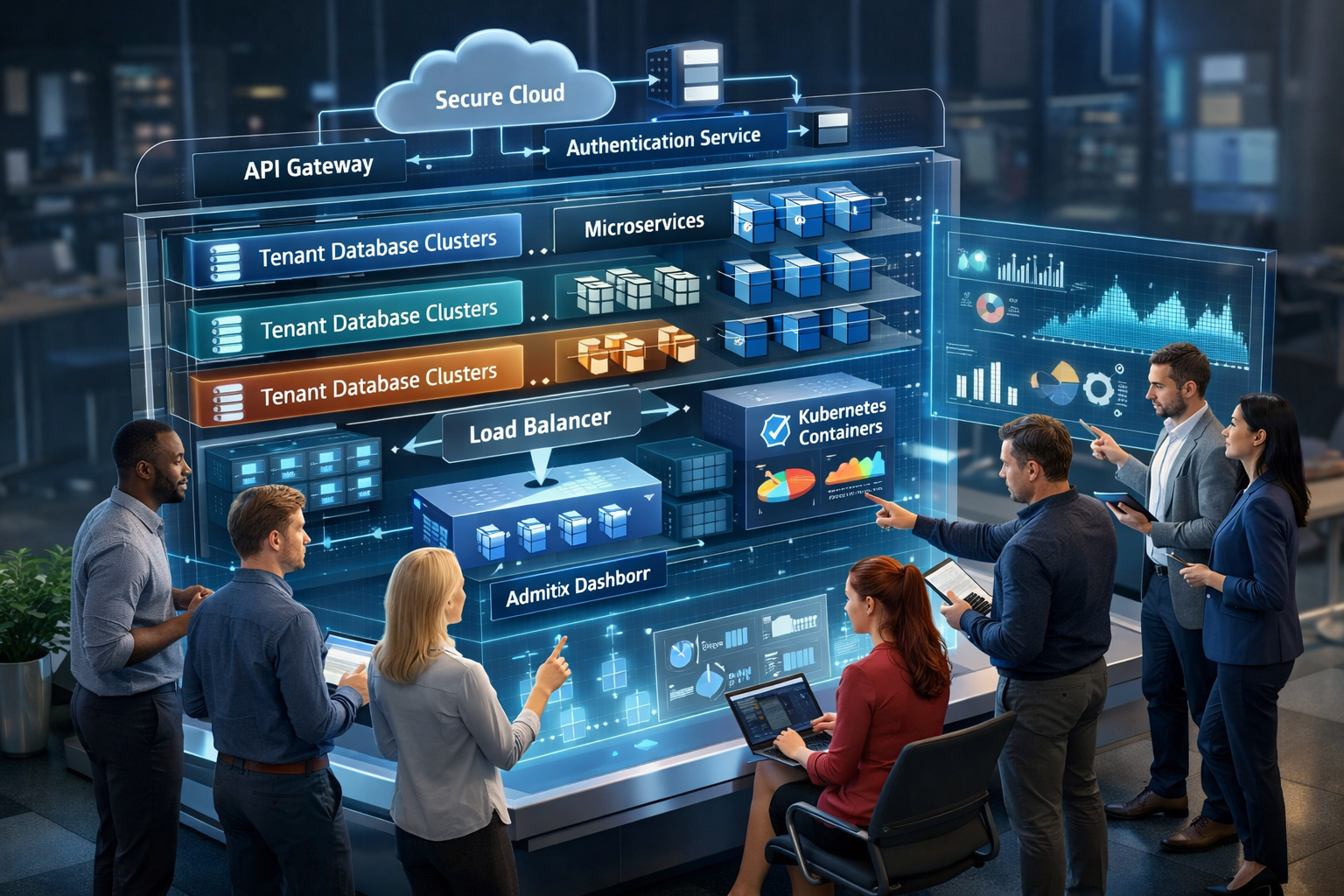
Modern organizations generate massive amounts of workforce data—from recruitment and onboarding to performance and payroll. However, this data often lives in disconnected systems, making it difficult for HR teams to gain meaningful insights. This challenge has led to the rise of unified HR data platforms.
In 2026, businesses are shifting toward centralized data ecosystems that integrate multiple HR functions into a single, cohesive platform. These solutions enable organizations to streamline operations, improve decision-making, and enhance employee experiences.
This guide explores what unified HR data platforms are, how they work, their benefits, challenges, and best practices for implementation.
What Are Unified HR Data Platforms?
Unified HR data platforms are integrated systems that consolidate data from various HR tools into a single, centralized repository. These platforms provide a holistic view of the workforce, enabling organizations to manage and analyze employee data efficiently.
Unlike traditional HR systems that operate in silos, unified platforms connect different functions such as recruitment, payroll, and performance management.
Core Functions
- Centralized employee data management
- Integration of multiple HR systems
- Real-time analytics and reporting
- Workflow automation
- Data governance and compliance
These capabilities allow HR teams to access accurate and up-to-date information across the entire employee lifecycle.
Why Organizations Need Unified HR Data Platforms
Elimination of Data Silos
Disconnected systems create inefficiencies. Unified platforms bring all data into one place.
Improved Decision-Making
Centralized data enables better insights and more informed decisions.
Enhanced Employee Experience
Employees benefit from seamless processes and consistent information.
Operational Efficiency
Automation and integration reduce manual work and errors.
Scalability
Unified platforms support growing organizations by adapting to increasing data and complexity.
Key Features of Unified HR Data Platforms
1. Data Integration
Effective data integration is critical for success, and following guidelines such as HRIS Integration Best Practices can help organizations connect systems seamlessly while ensuring accuracy and compliance. These platforms integrate data from:
- Applicant tracking systems
- Payroll systems
- Learning management systems
- Performance tools
2. Real-Time Analytics
Organizations can monitor workforce metrics such as:
- Employee turnover
- Engagement levels
- Hiring performance
3. Automation
Automation streamlines processes like:
- Onboarding workflows
- Payroll processing
- Performance reviews
4. Data Security and Compliance
Platforms include features such as:
- Encryption
- Access controls
- Compliance tracking
5. Self-Service Portals
Employees can access and manage their own data, reducing HR workload.
How Unified HR Data Platforms Work
Unified HR data platforms operate through a layered architecture.
Data Collection Layer
Data is collected from various HR systems and external sources.
Integration Layer
APIs and connectors integrate data into a centralized system.
Data Processing Layer
The platform cleans, organizes, and standardizes data.
Analytics Layer
Advanced tools analyze data and generate insights.
User Interface Layer
HR teams and employees access the platform through dashboards and portals.
Benefits of Unified HR Data Platforms
Better Workforce Insights
Organizations gain a complete view of employee data.
Increased Productivity
Automation reduces manual tasks and improves efficiency.
Improved Compliance
Centralized data simplifies regulatory compliance and reporting.
Enhanced Collaboration
Teams can access shared data and work more effectively.
Strategic HR Management
HR becomes a strategic function driven by data and analytics.
Unified HR Data Platforms vs Traditional HR Systems
| Feature | Unified HR Platforms | Traditional HR Systems |
|---|---|---|
| Data Management | Centralized | Fragmented |
| Integration | High | Limited |
| Analytics | Advanced | Basic |
| Scalability | High | Moderate |
| Automation | Extensive | Limited |
Unified platforms offer significant advantages in efficiency and insight generation.
Challenges to Consider
Data Migration
Transferring data from legacy systems can be complex.
Integration Complexity
Connecting multiple systems requires technical expertise.
Cost of Implementation
Initial setup and customization can be expensive.
Data Security Risks
Centralized data requires strong security measures.
Best Practices for Implementation
Define Clear Objectives
Identify goals such as improving analytics or reducing manual work.
Choose the Right Platform
Evaluate vendors based on scalability, integration, and usability.
Ensure Data Quality
Accurate data is essential for reliable insights.
Train Users
Provide training to ensure successful adoption.
Monitor Performance
Track key metrics and continuously optimize the system.
Use Cases Across Industries
Technology कंपनies
- Workforce analytics
- Talent management
Healthcare
- Compliance tracking
- Employee credential management
Finance
- Risk management
- Regulatory reporting
Retail
- Workforce scheduling
- Employee performance tracking
Trends Shaping Unified HR Data Platforms in 2026
AI-Driven Analytics
AI enhances data analysis and predictive insights.
Real-Time Data Processing
Organizations can make decisions based on live data.
Integration with Enterprise Systems
Platforms connect with ERP, CRM, and other business systems.
Focus on Employee Experience
User-friendly interfaces improve engagement and satisfaction.
Data Governance and Privacy
Increased focus on compliance with global data regulations.
Future Outlook
The future of unified HR data platforms lies in deeper integration, smarter analytics, and enhanced user experiences. As organizations continue to adopt digital transformation strategies, these platforms will become central to workforce management.
Emerging technologies such as AI and machine learning will further improve data accuracy and predictive capabilities, enabling organizations to anticipate workforce needs and respond proactively.
Conclusion
Transforming how organizations manage workforce data. By centralizing information, improving analytics, and automating processes, these platforms enable HR teams to operate more efficiently and strategically.
As businesses continue to grow and evolve, adopting a unified approach to HR data will be essential for staying competitive. Organizations that invest in these platforms will gain better insights, improve decision-making, and create a more connected and efficient workforce.